Most people use water every day without thinking about what happens afterward.
They flush toilets, wash dishes, take showers, clean clothes, and use sinks. That water travels through pipes to a wastewater treatment plant, where it is cleaned before being returned to the environment or reused where permitted.
But cleaning wastewater also leaves behind solids.
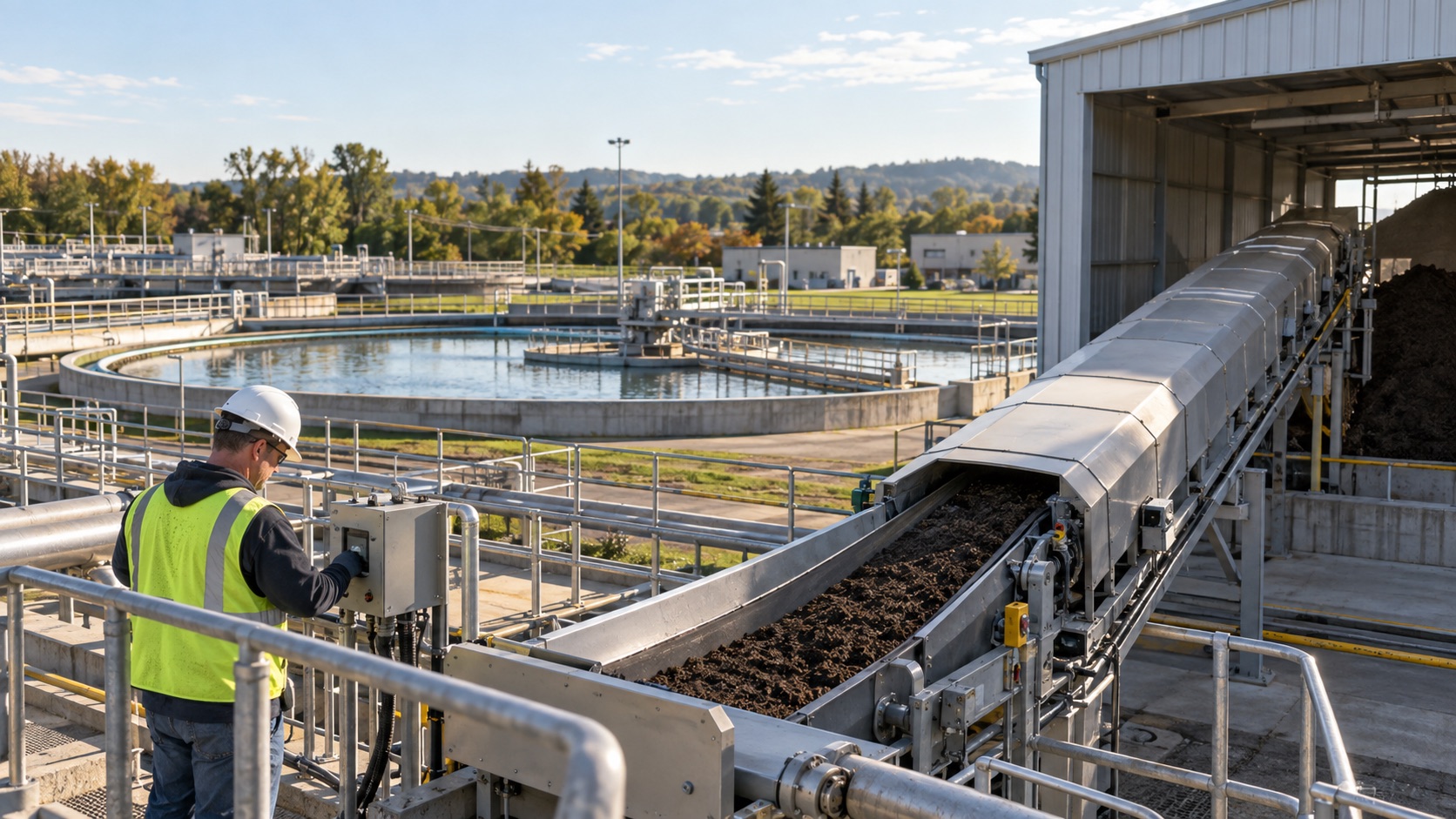
EPA explains that when domestic sewage reaches a wastewater treatment plant, liquids are separated from solids, producing a semi-solid, nutrient-rich product known as sewage sludge. EPA typically uses the term “biosolids” for sewage sludge that has been treated to meet regulatory requirements.
Biosolids can be managed in different ways. EPA says treated biosolids may be land applied as a soil conditioner or fertilizer when they meet requirements, or managed through other disposal routes such as landfilling or incineration.
This topic needs simple and balanced language.
Biosolids are not automatically good or bad. What matters is what is in them, how they are treated, how they are tested, where they are used, and how they are monitored.
Recent research has added more attention to this conversation. A 2024 study in Environmental Science & Technology examined microplastics in agricultural soils connected to biosolids application in Queensland, Australia. The study found higher microplastic concentrations in biosolid-amended soils than in reference sites.
That does not mean every location has the same result. It does mean wastewater solids deserve thoughtful public discussion.
The important idea is this: treatment does not make every material disappear. Some materials may move from one part of the system to another. That is why what enters drains, toilets, and wastewater systems matters.
For ordinary people, this topic can be surprising. The water may be cleaned, but the leftover solids still need a responsible path. That path may involve treatment, testing, transport, use, storage, disposal, or further management.
For municipalities, biosolids are a real operating issue. They require equipment, land, permits, testing, hauling, and public communication. For farmers and land managers, quality and safety matter. For residents, transparency matters.
The Promise Worldwide is interested in broader waste awareness topics like this because community waste is not only what goes into trash cans. It also includes what moves through water systems, treatment plants, and land-use decisions.
Key Insight
Wastewater treatment cleans water, but the solids left behind still need careful management, testing, and public understanding.