
Promised Eco-Friendly Alternatives
Fuels and Energy
Carbon Neutral Fuels
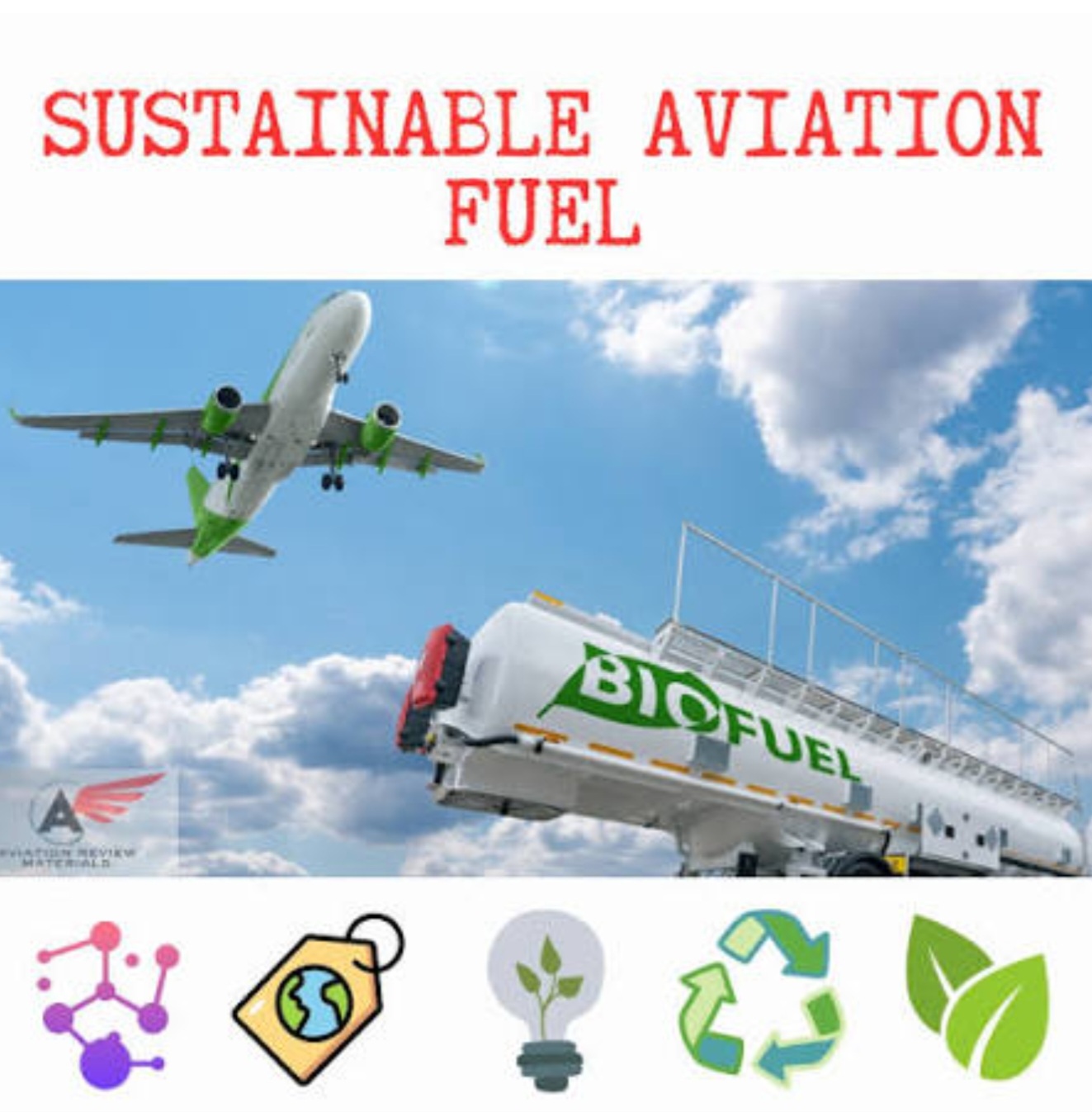
Carbon-neutral fuel production from municipal solid waste (MSW) involves converting MSW into fuel, such as synthetic fuels or biogas, through processes like gasification or anaerobic digestion. This approach is carbon-neutral because the carbon released during combustion is biogenic, meaning it was recently captured from the atmosphere by plants, closing the carbon cycle.
By using MSW, this method also avoids methane and carbon dioxide emissions from landfills and offers a way to reduce greenhouse gases in hard-to-decarbonize sectors like aviation.
We will be using plasma ARC technology to process the MSW to produce the following end products:
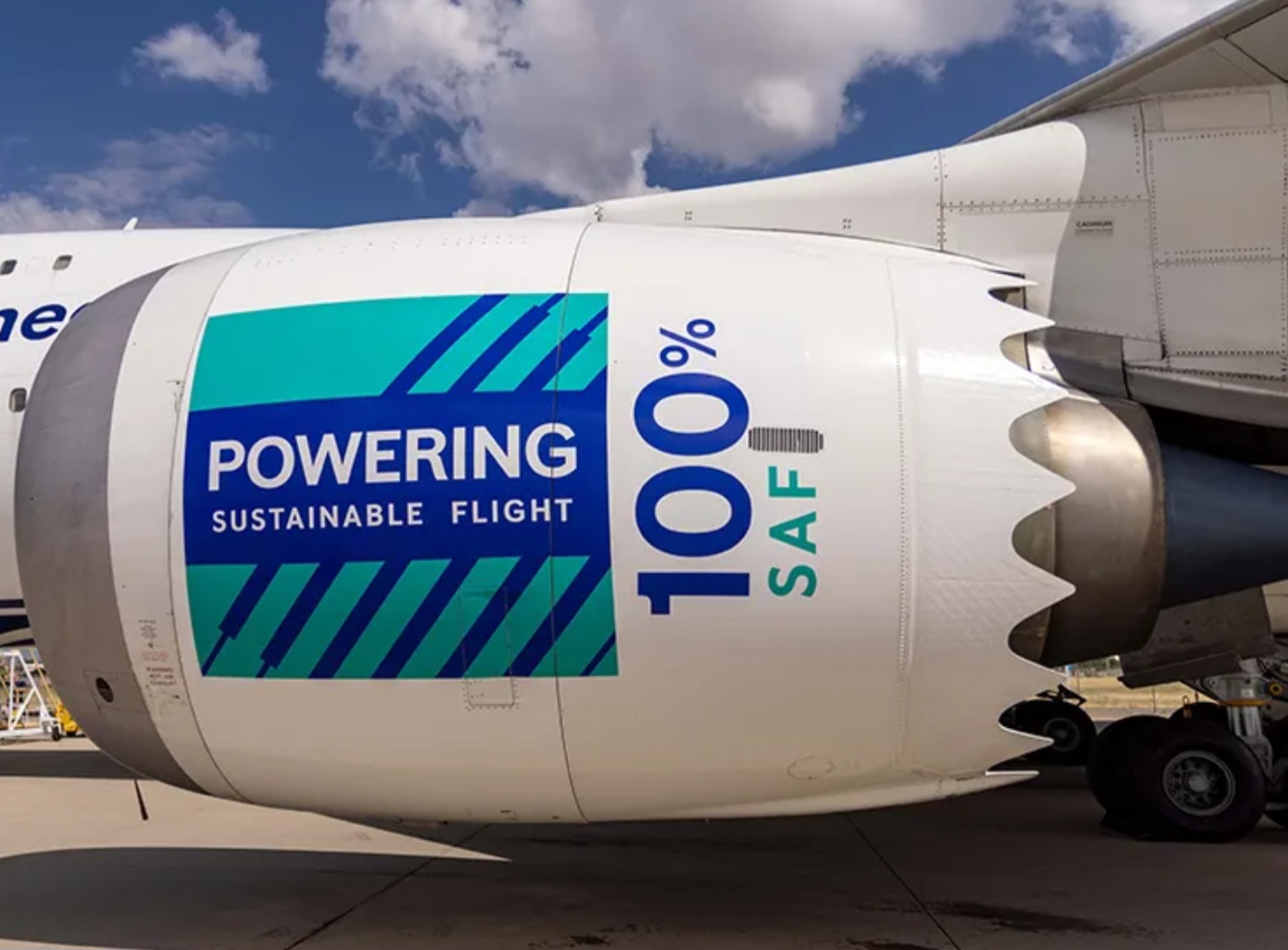
- Jet Fuel
- AVGAS
- Diesel Fuel
Plasma ARC Technology
Our state-of-the-art plasma ARC technology efficiently converts municipal solid waste into clean fuels. This advanced process ensures maximum efficiency while maintaining environmental sustainability and producing high-quality fuel products for aviation and transportation sectors.
Hydrogen
Hydrogen is produced primarily through thermal processes like steam reforming of natural gas, which accounts for over 95% of current production, and through electrochemical methods such as electrolysis of water, often powered by renewable electricity. Other methods include gasification of biomass and various photolytic and biological processes, all aimed at converting energy resources into a cleaner fuel source.
Green Hydrogen
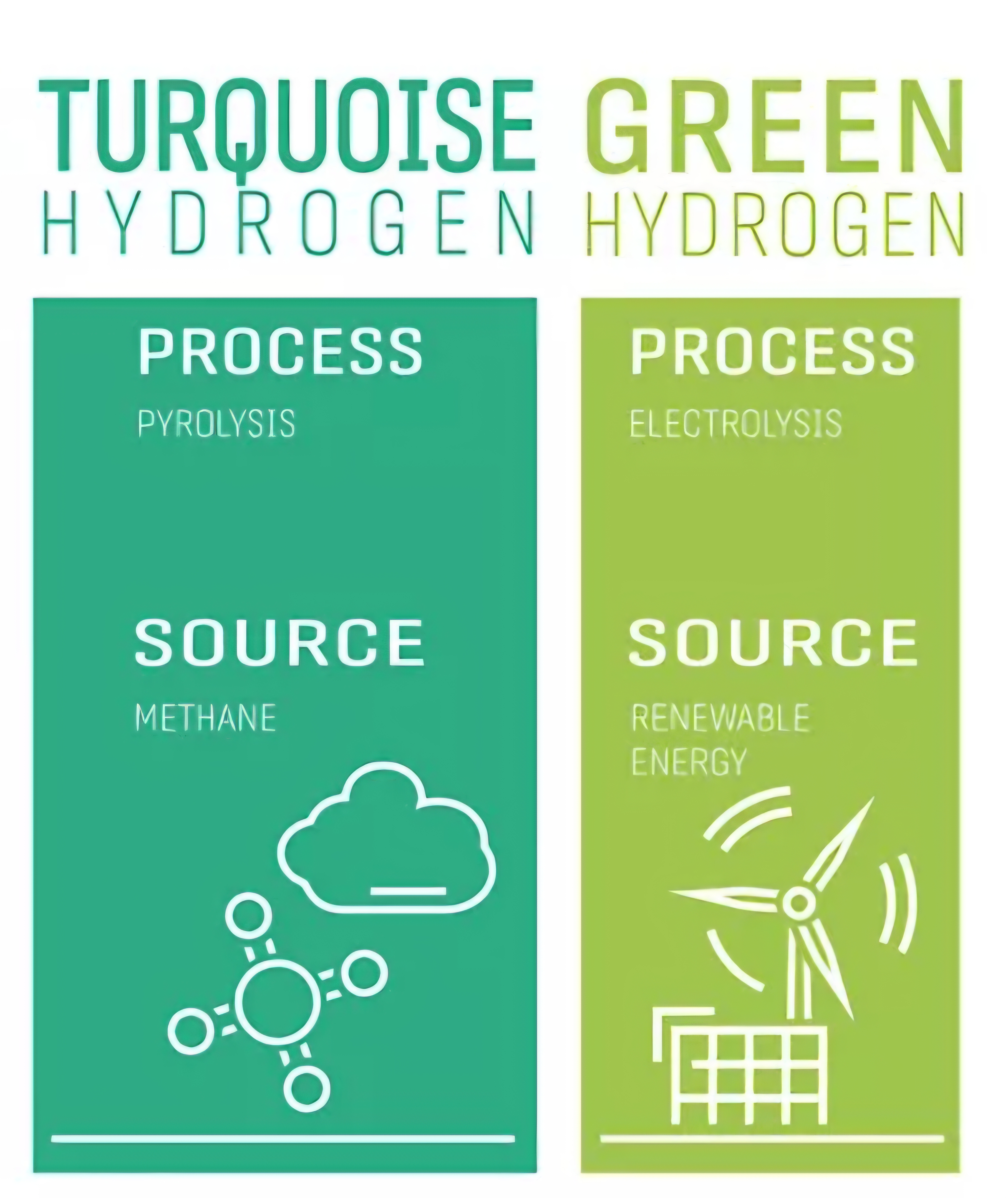
Green hydrogen is produced by using renewable energy to split water into hydrogen and oxygen through a process called electrolysis. This method is distinct from traditional methods like steam reforming of natural gas, as it produces hydrogen with zero carbon emissions, making it a clean energy source. Electrolysis can be powered by sources like solar, wind, or hydroelectric power, and the resulting hydrogen is storable and transportable.
Turquoise Hydrogen
Turquoise hydrogen is produced by heating methane to high temperatures in a process called pyrolysis, which breaks it down into hydrogen gas and solid carbon. This method avoids producing carbon dioxide, a major advantage over other methods like grey hydrogen. While the hydrogen is a clean fuel, the overall environmental impact depends on whether the energy used for the process comes from renewable sources.
Advanced Energy Solutions
Our comprehensive approach to alternative energy combines cutting-edge technology with sustainable practices. We're committed to developing clean energy solutions that reduce environmental impact while meeting the growing global demand for reliable, eco-friendly fuel sources.